
Judaism’s Spiritual Connection to Food

Food is one of the most ordinary parts of life. We shop for it, cook it, serve it to guests, and sometimes stare into the refrigerator hoping dinner will reveal itself.
In Judaism, however, food is never only food.
Eating can be an act of gratitude, discipline, remembrance, celebration, and connection. Jewish tradition creates a framework for using physical experiences in the service of something higher. A meal can nourish the body while also strengthening faith, family, identity, and community.
Blessings Turn Eating Into Awareness
A bracha, or blessing, is recited before eating. The appropriate blessing depends on the type of food, with different blessings for bread, wine, fruit, vegetables, grain-based foods, and other foods and drinks.
Traditional observance also includes blessings after eating, including Birkat Hamazon or “bentching” after a meal containing bread.
These blessings create a pause between wanting food and consuming it. Even when that pause lasts only a few seconds, it changes the experience. The food is no longer something to take for granted. It becomes a gift to recognize when you take a moment to consider where it came from.
Gratitude shouldn’t wait for an extraordinary moment.
Start with a glass of water, a piece of fruit, or the challah on the table.
Kashrut Brings Intention Into the Kitchen
The laws of kashrut determine which foods may be eaten and how they must be prepared and served. They shape everything from the ingredients in a packaged snack to the separation of meat and dairy in a kosher kitchen.
Kashrut isn’t a collection of restrictions or an ancient health plan. It’s a system of Jewish law that brings spiritual discipline into an everyday activity: eating.
By asking a person to consider what they eat and how it was prepared, kashrut turns the kitchen into a place of religious awareness.
That does not make every kosher meal formal or serious. A kosher hot dog is still a hot dog. But even a casual meal exists within a framework of intention.
Shabbat Makes the Table Sacred
Each week, Shabbat gives food a special role in creating sacred time.
Traditional Shabbat observance includes three meals. Kiddush is recited over wine or grape juice, two whole loaves of challah recall the double portion of manna gathered before Shabbat in the desert, and families and guests gather to eat, sing, and enjoy one another’s company.
Preparing a beautiful meal and setting a welcoming table help distinguish Shabbat from the rest of the week.
Spirituality is not always found by stepping away from enjoyment. Sometimes it is found by enjoying something at the right time, in the right way, and with a sense of purpose.
Holiday Foods Allow Us to Taste Jewish Memory
The Jewish calendar is filled with foods that carry stories.
At the Passover Seder, matzah, bitter herbs, charoset, and the other items on the Seder plate help tell the story of slavery, freedom, and the Exodus.
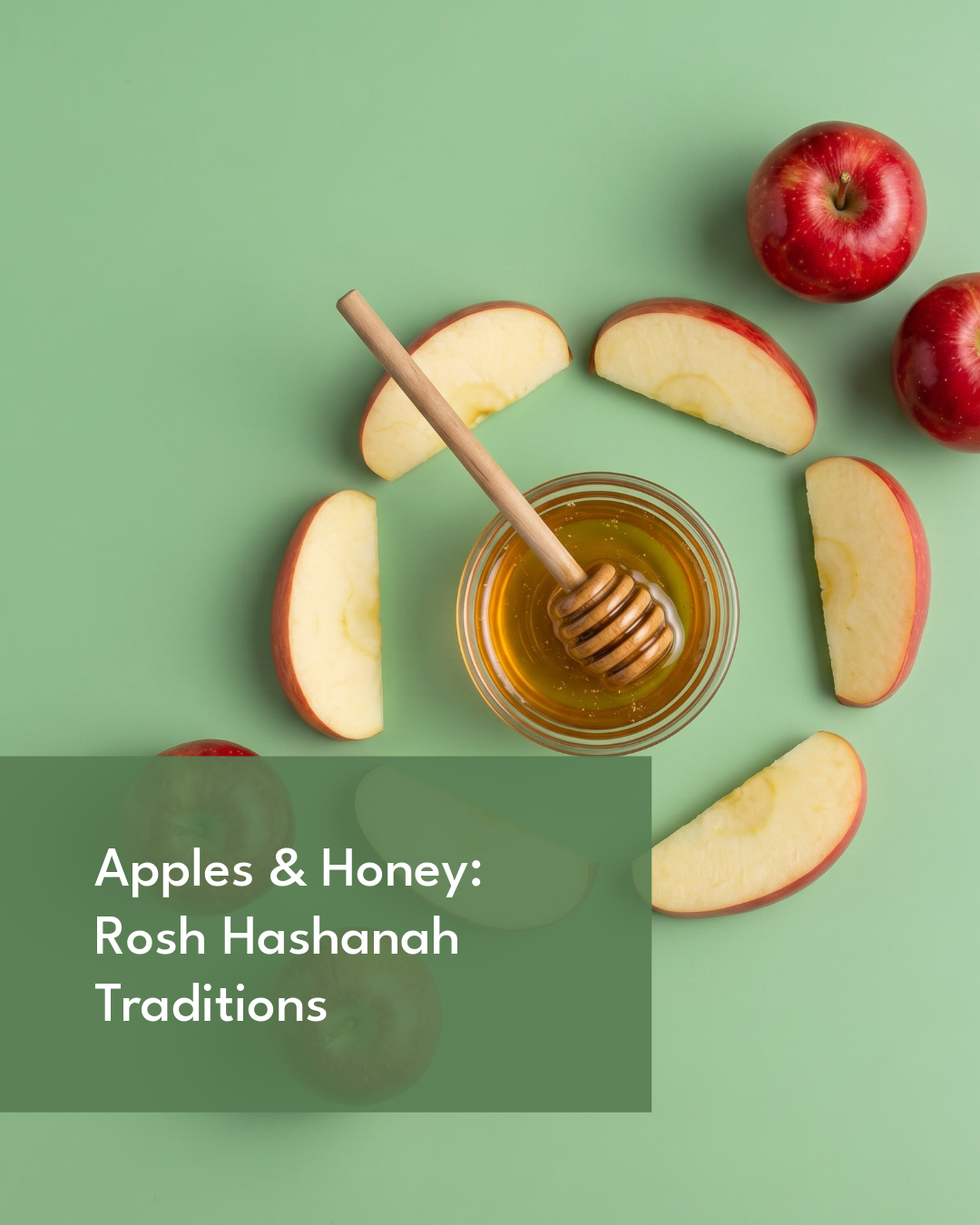
On Rosh Hashanah, apples and honey express the hope for a sweet new year, while other symbolic foods represent prayers for blessing, merit, and growth.
These traditions make history tangible. A child may hear the story of the Exodus, but tasting maror creates a physical encounter with its bitterness. A prayer for a sweet year is meaningful on its own, but dipping an apple into honey gives that hope a flavor.
Holiday meals also link generations.
Recipes vary across Jewish communities, but the table remains a place where memory is preserved and passed forward. Recipes become family history, complete with handwritten notes and the insistence that no one else makes it quite correctly.
Fasting Creates Space for Reflection
Judaism’s spiritual connection to food also includes moments when food is deliberately absent.
Fast days such as Yom Kippur and Tisha B’Av are not meant to celebrate hunger for its own sake. Fasting reduces attention to physical comfort so the day can be directed toward repentance, prayer, mourning, and reflection.
Fasting and feasting appear to be opposites, but Jewish tradition uses both to create spiritual awareness. Chabad explains that the physical world is not inherently an obstacle. When body and soul are aligned, eating can serve holiness. When physical desire becomes distracting, fasting can help restore perspective.
A feast can express joy and gratitude. A fast can express grief, humility, and return.
Food Creates Community
Jewish food is deeply personal, but it is rarely meant to remain private.
Meals bring families together, welcome guests, and mark life’s milestones. The table creates space for conversation, tradition, generosity, and belonging.
This is why Jewish memories are so often connected to meals. We remember who made the soup, which dish disappeared first, and which relative tried to send every guest home with several days of leftovers.
The food nourished us, but the experience shaped us.
Eating With Purpose
With blessings, special meals, holiday traditions, and fasting, Judaism places intention around one of humanity’s most basic needs. It asks us to notice where food comes from, how we use it, what it represents, and who is sitting beside us.
The result is a tradition in which a meal can be delicious and meaningful at the same time. Food can satisfy hunger, preserve memory, create joy, and bring holiness into everyday life.
In Judaism, the spiritual is not limited to the synagogue. Sometimes, it is waiting at the kitchen table.




© 2025 by Kosher Eats. Website design and development by 1744 Marketing.
Accessibility | Terms & Conditions | Privacy Policy