
Kosher 101: Kosher Wine
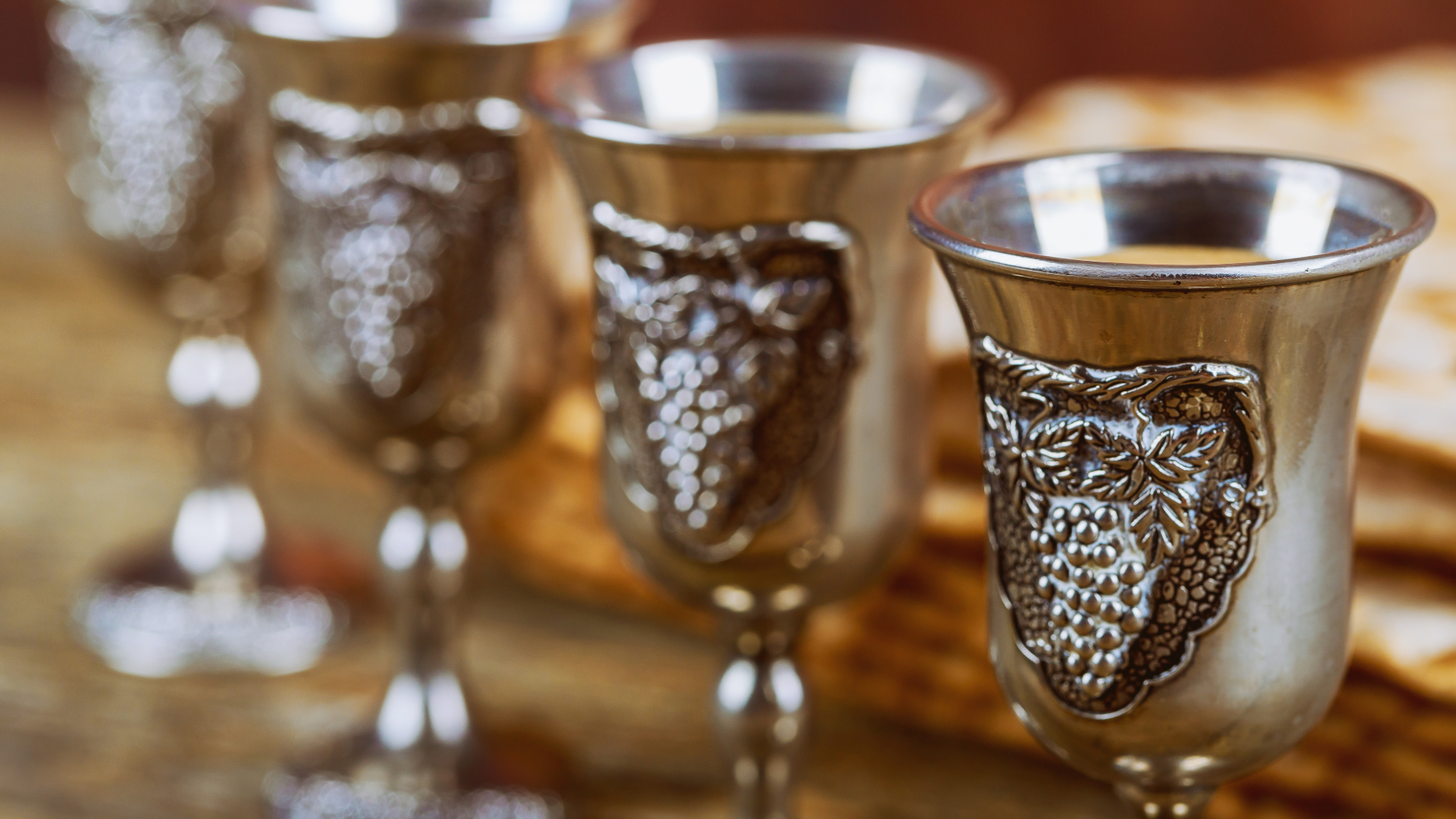
Believe it or not, there’s more to kosher wine than syrupy Manischewitz and the bubbly blue Bartenura.
There are crisp Sauvignon Blancs and dry rosés to bold Cabernet Sauvignons, sparkling wines, dessert wines, and highly rated bottles from well-known wine regions around the world.
So, if there are kosher wines from around the world, what makes wine kosher in the first place?
The short answer is that kosher wine is wine produced according to Jewish dietary laws, known as kashrut. But that does not mean the wine has to taste a certain way, come from a specific country, or be blessed by a rabbi.
In fact, many kosher wines are made using the same grapes, techniques, barrels, and aging methods as non-kosher wines. The difference comes down to how the wine is handled, supervised, and certified throughout the production process.
Let’s uncork the basics.
What Is Kosher Wine?
Kosher wine is wine that has been made in accordance with Jewish dietary law. The word “kosher” means fit or proper, and in this context, it means the wine is suitable for consumption by people who observe kosher dietary practices.
That might sound simple, but wine has a unique place in Jewish tradition. It is used in many religious rituals and holidays, including Shabbat, Passover, weddings, and other celebrations.
Because of that special role, kosher law treats wine with extra care.
Unlike many packaged foods, where kosher status depends mostly on ingredients and equipment, kosher wine also depends heavily on the production process. From the time the grapes are crushed until the wine is bottled and sealed, the wine must be handled according to specific kosher guidelines. In traditional kosher production, much of that handling is done by Sabbath-observant Jewish workers under kosher supervision.
This does not mean the wine is magically different. It also does not mean the wine is “blessed” into becoming kosher.
That is perhaps one of the biggest myths about not only kosher wine, but kosher food in general. A rabbi or kosher supervisor (known as a mashgiach) may oversee production to make sure the rules are followed, but the kosher status comes from the process, not from a blessing.
What Makes Wine Kosher?
Think of winemaking as a long chain of steps. Grapes are harvested, crushed, fermented, aged, filtered, bottled, and sealed. For a wine to be certified kosher, that chain needs to remain kosher from beginning to end.
The basic requirements usually include:
First, the wine must be made with kosher ingredients. Grapes are naturally kosher, but winemaking often involves more than grapes. Yeast, fining agents, enzymes, stabilizers, and other processing aids may be used along the way. In kosher wine production, those ingredients must also be kosher-approved.
Second, the equipment and production environment must meet kosher standards. Tanks, barrels, hoses, pumps, bottling lines, and other tools used in production may need to be dedicated to kosher use or properly prepared before kosher production begins.
Third, the wine must be handled according to kosher law. Once the grapes are crushed and the juice becomes wine in process, the handling rules become more specific. In traditional kosher winemaking, only Sabbath-observant Jewish individuals handle certain parts of the production until the wine is sealed.
Finally, the process must be supervised by a reliable kosher certification agency. A kosher symbol on the bottle tells consumers that the wine was produced according to those standards.
In other words, kosher wine isn’t a flavor profile, it’s a production standard.
Mevushal vs. Non-Mevushal Wine
One term you may see on kosher wine labels is “mevushal.” This is a Hebrew word that roughly translates to “cooked’ or “heated.”
In simple terms, mevushal wine has been heated in a specific way so that it can retain its kosher status even if it is later handled or poured by someone who does not personally observe kosher law. This matters in restaurants, catered events, hotels, and other settings where many different people may be serving wine.
Non-mevushal wine has not gone through that heating process. It can still be completely kosher, but it has stricter handling requirements after opening.
For beginners, the main thing to know is this: mevushal does not mean “more kosher,” and non-mevushal does not mean “less kosher.” Both can be kosher. The difference has to do with how the wine may be handled after production.
Some wine drinkers prefer non-mevushal wines because they worry heating may affect flavor, while others appreciate the practical flexibility of mevushal wine. Modern flash-pasteurization techniques have also made the distinction less noticeable in many cases.
Is Kosher Wine Only for Jewish Holidays?
Kosher wine is often associated with Jewish holidays because wine plays a major role in Jewish ritual life. For example, drinking four glasses of wine is part of the Passover Seder.
But kosher wine can (and should) be enjoyed any time of the year.
People buy kosher wine for Shabbat meals, weddings, family dinners, holiday tables, restaurant service, corporate events, gifts, and everyday drinking. Some people choose it because they keep kosher. Others are simply curious, interested in Israeli wines, or looking for something new to try.
Kosher wine is not limited to religious use. It is still wine, and it can be paired with food, served at celebrations, or opened for a quiet dinner at home.
What About Kosher for Passover Wine?
Most kosher wines are also labeled kosher for Passover, but it is still important to check the bottle.
During Passover, observant Jews avoid chametz, which refers to leavened grain products. For a wine to be kosher for Passover, it must meet additional standards to ensure it has not come into contact with prohibited grain-based ingredients or processing agents.
If you are buying wine specifically for a Passover meal, look for a reliable kosher certification and a label that says “Kosher for Passover” or “P” next to the kosher symbol.
How to Choose a Kosher Wine
It’s simple. Start the same way you would with any wine: think about what you like!
If you enjoy crisp, refreshing whites, look for kosher Sauvignon Blanc, Pinot Grigio, or dry Riesling. If you prefer richer whites, try kosher Chardonnay. For reds, Cabernet Sauvignon, Merlot, Syrah, Malbec, and Pinot Noir are all widely available in kosher options. If you like something light and celebratory, look for kosher sparkling wine or rosé.
Food pairing helps, too.
A bold kosher red can work beautifully with brisket, steak, short ribs, or roasted vegetables. A bright white can pair well with fish, salads, chicken, or lighter dishes. Rosé is a flexible choice for meals with a little bit of everything, and sparkling wine can bring a festive feel to appetizers, desserts, or holiday meals.
And yes, sweet kosher wines still have their place. They can be nostalgic, approachable, and useful for certain rituals or dessert pairings. They just are not the whole story.
The Bottom Line on Kosher Wine
So, what is kosher wine?
Kosher wine is wine made according to Jewish dietary laws, with kosher ingredients, approved equipment, careful handling, and reliable supervision. What makes wine kosher is not its flavor, sweetness, or country of origin. It is the process behind the bottle.
For someone new to kosher wine, the most important thing to know is that it is much broader and more diverse than many people realize. There are kosher wines for holiday tables, casual dinners, fine dining, celebrations, and everyday sipping. There are sweet classics, dry reds, crisp whites, sparkling options, and premium bottles from respected wine regions around the world.
In the end, kosher wine is not just one kind of wine. It is a wide and growing category with something for nearly every palate.




© 2025 by Kosher Eats. Website design and development by 1744 Marketing.
Accessibility | Terms & Conditions | Privacy Policy