
The History of Gefilte Fish
Few foods elicit as strong opinions as gefilte fish.
For some, it is the taste of childhood, holidays, and Shabbat meals with family. For others, it is a mystery food from a jar, floating in a slightly intimidating broth, waiting patiently on the table.
For the record, we are in the delicious-taste-of-Shabbat-with-family camp.
But behind its reputation, gefilte fish has a long, practical, and surprisingly rich history. It is a dish shaped by Jewish tradition, Eastern European cooking, resourcefulness, and centuries of family recipes. And once you understand what gefilte fish actually is, how it is made, and why it became so closely tied to Jewish cuisine, it becomes a lot less mysterious.
What Is Gefilte Fish?
Gefilte fish is a traditional Ashkenazi Jewish dish made from ground fish that is seasoned, shaped, and cooked, usually by poaching. It is most often served cold or chilled as an appetizer, especially on Shabbat and Jewish holidays.
The word “gefilte” comes from Yiddish and means “stuffed.”
Originally, gefilte fish was exactly that: a whole fish that had been skinned, deboned, and then stuffed with a seasoned mixture of ground fish before being cooked. Over time, that labor-intensive method became less common. Instead of stuffing the mixture back into the fish skin, cooks began shaping it into balls, patties, or loaves.
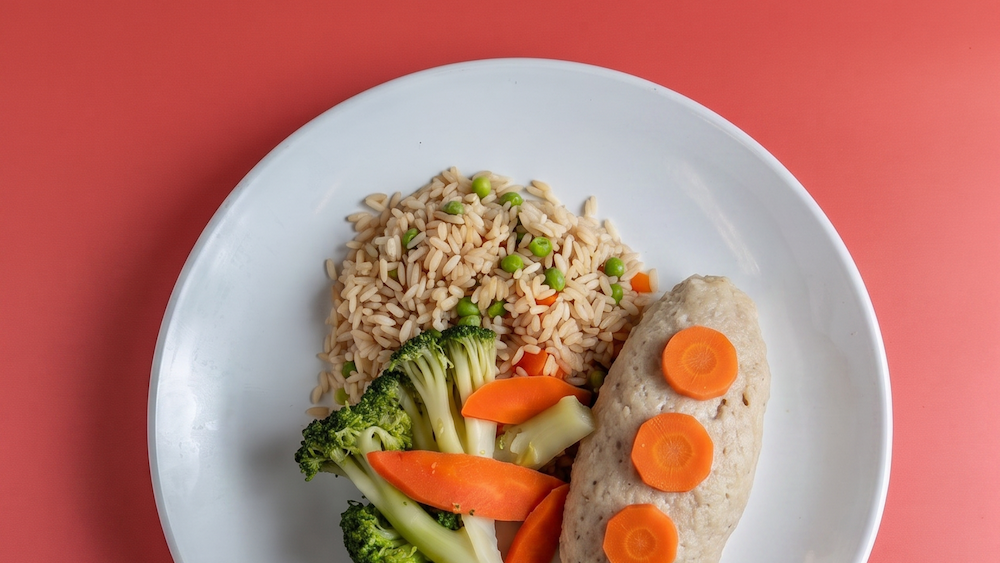
That is the gefilte fish most people recognize today: a soft, poached fish mixture, often served with a slice of carrot on top and horseradish on the side.
Why Gefilte Fish Became a Jewish Staple
Gefilte fish became popular in Jewish communities for a few important reasons.
First, it solved a religious and practical challenge. Fish has long been associated with Shabbat meals, but traditional Jewish law includes restrictions around certain types of work on Shabbat, including separating bones from fish while eating. By grinding the fish and removing the bones before Shabbat began, families could enjoy fish at the meal without dealing with bones at the table.
Second, gefilte fish was economical. By grinding fish with ingredients like onions, eggs, and matzo meal or breadcrumbs, families could stretch a smaller amount of fish into a dish that served more people. That made it especially useful in Eastern European Jewish communities, where resourcefulness in the kitchen was essential.
Third, it was make-ahead friendly. Gefilte fish could be prepared before the holiday or Shabbat, served cold, and enjoyed without reheating. In a cuisine built around both tradition and practicality, that made it a natural fit.
What Is Gefilte Fish Made Of?
Traditional gefilte fish is usually made from freshwater fish. Common choices include carp, pike, and whitefish, though recipes vary depending on geography, family tradition, and availability.
The basic mixture typically includes:
- Ground fish
- Onion
- Eggs
- Matzo meal or breadcrumbs
- Salt and pepper
- A touch of sugar, depending on the recipe
- Fish stock or broth for poaching
Some recipes include carrots, parsley, or additional seasonings. Others keep the flavor very simple. Like many traditional foods, gefilte fish is not one single recipe. It is a category of recipes, with each family often convinced that their version is the correct one.
There are also regional differences.
Some versions are more savory and peppery. Others are noticeably sweeter. In parts of Eastern Europe, especially areas associated with Polish Jewish cooking, sweeter gefilte fish became more common. In other communities, the flavor remained more restrained and savory.
So, when someone says they do or do not like gefilte fish, the obvious follow-up question is: which kind?
What Does Gefilte Fish Taste Like?
Gefilte fish is mild, delicate, and lightly savory. A well-made version should taste clean and balanced, with the flavor of the fish coming through gently rather than aggressively.
The texture is soft and tender, somewhere between a fish cake and a dumpling. It should hold together, but it should not feel rubbery or dense. Homemade or fresh gefilte fish often has a much lighter texture than the jarred versions many people grew up with.
The flavor can vary quite a bit.
Some gefilte fish is peppery and savory. Some are lightly sweet. Some have a more pronounced fish flavor, while other recipes are very subtle. The horseradish served alongside it also changes the experience. A spoonful of sharp, spicy chrain gives the mild fish a bright kick and is part of what makes the dish so recognizable.
If you are trying gefilte fish for the first time, think of it less as “mystery fish” and more as a chilled, poached fish dumpling. That description may not carry the same nostalgic weight, but it is much closer to the culinary reality.
How Do You Make Gefilte Fish?
At its most basic, gefilte fish is made by grinding fish with aromatics and binders, shaping the mixture, and cooking it gently.
A traditional preparation usually starts with fresh fish. The fish is deboned and ground, then mixed with onion, eggs, matzo meal or breadcrumbs, salt, pepper, and sometimes sugar. The mixture is shaped into oval patties or balls.
Those pieces are then poached in a flavorful broth, often made from fish bones, heads, onions, carrots, and seasonings. The fish cooks slowly and gently, which helps it stay tender. Once cooked, it is chilled and served cold or at room temperature.
Some modern versions are baked in loaf form, which is easier and more convenient. Others use different types of fish or updated seasonings. But the foundation remains the same: ground fish, simple ingredients, gentle cooking, and a make-ahead approach.
How to Serve Gefilte Fish
Gefilte fish is traditionally served as an appetizer.
The classic presentation is simple: one or two pieces of chilled gefilte fish on a small plate, topped with a cooked carrot slice and served with horseradish. The horseradish may be red, made with beets, or white, which tends to be sharper and more intense.
Some people like it with lettuce, cucumber, or other light accompaniments. Others prefer it exactly as they remember it: cold fish, carrot, horseradish, no fuss.
That simplicity is part of its staying power. Gefilte fish does not need to be flashy. It carries history in a very humble form.
A Food Worth Understanding
Gefilte fish has become one of those foods people love to joke about. But it has lasted for centuries for a reason.
It tells a story of Jewish migration, religious observance, holiday cooking, and making the most of available ingredients. It reflects the way food traditions evolve: from whole stuffed fish to poached fish balls, from homemade family recipes to supermarket jars, from old-world necessity to modern curiosity.
So, what is gefilte fish? It is ground fish, yes. It is also a Shabbat solution, a Passover staple, a family tradition, and a small but meaningful piece of Ashkenazi Jewish culinary history.
And with a good recipe, a little horseradish, and an open mind, it might just deserve a better reputation.




© 2025 by Kosher Eats. Website design and development by 1744 Marketing.
Accessibility | Terms & Conditions | Privacy Policy